Trump’s tariffs create headaches for U.S. spirits industry

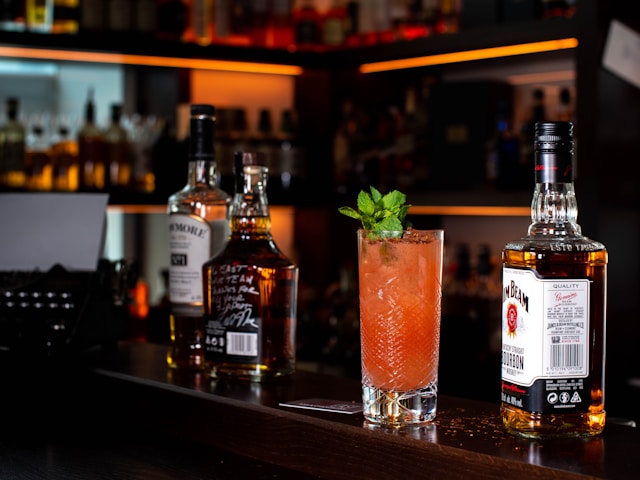
Jim Beam bottle of whiskey next to cocktails on bar

Donald Trump has created a mess with his tariffs, and we’re starting to see evicence across various industries.

The spirits industry in the U.S. is facing all sorts of challenges. Young people are drinking much less alcohol. The post-Covid booze boom has subsided. And there’s a ton of supply. One executive in the beer business told me this is the worst year of his 35-year career.

The recent news from Jim Beam has certainly rattled people. The company is pausing production of its flagship bourbon product for all of 2026! That’s a real punch in the gut.

The Wall Street Journal Editorial Board doesn’t mince words as they place blame squarely and Trump an dhis tariffs. Even as some tariffs are lifted, the damage has been done. Canadians hate him and gleefully avoid American products. So it’s much more than a simple cost issue. It’s a destruction of the American brand. It will be interesting to see how this starts to manifest in other industries.

Starbucks continues to struggle with time spent in stores

Starbucks sign

This post highlights a serious problem facing Starbucks – consumers are spending less time in their stores, and this trend continues to get worse.

Starbucks’ once-dominant model involved packing urban corners with cozy cafés for work and socializing. But this relied on full offices and daily commutes. Remote work changed everything, erasing weekday rushes and gutting downtown profits.

This had led to closures of many Starbucks locations. A third of recent LA shutdowns were in the city-center, with similar trends in Chicago, New York, and Seattle.

The other problem involves the flood of mobile orders, which optimized speed but killed ambiance. Starbucks stores now feel much more transactional: order, grab, go. We see the long lines both at the drive-through and inside the store. When I want to meet someone for a coffee, whether for business or socializing, Starbucks is no longer the top option. I’ll try to find a Panera or a local brand coffee shop, as I know the Starbucks experience isn’t what it used to be.

The key metric of customers lingering 10+ minutes has fallen over a year, even with changes implemented by new CEO Brian Niccol. Stayers drive revenue with second drinks, snacks, repeat visits, etc.

We’ll see if Niccol can find a way to reverse this trend. It doesn’t help that we’re facing an economic slowdown, and expensive coffee drinks will be a luxury that many consumers won’t be able to afford.

Brands grapple with how to use generative AI in ads and in branding

You probably saw this amazing ad created by PJ Ace for Kalshi during the NBA Finals. It was a massive success for the Kalshi brand and generated a ton of buzz.

And it was created completely by AI.

For small companies and less well-known brands, generative AI offers an amazing tool if used propoerly with the assistance of creatives like PJ Ace, who has built an ad agancy that makes AI commercials for clients.

Continue reading »

The “Custom AI” trend that will dominate business use cases

AWS custom AI

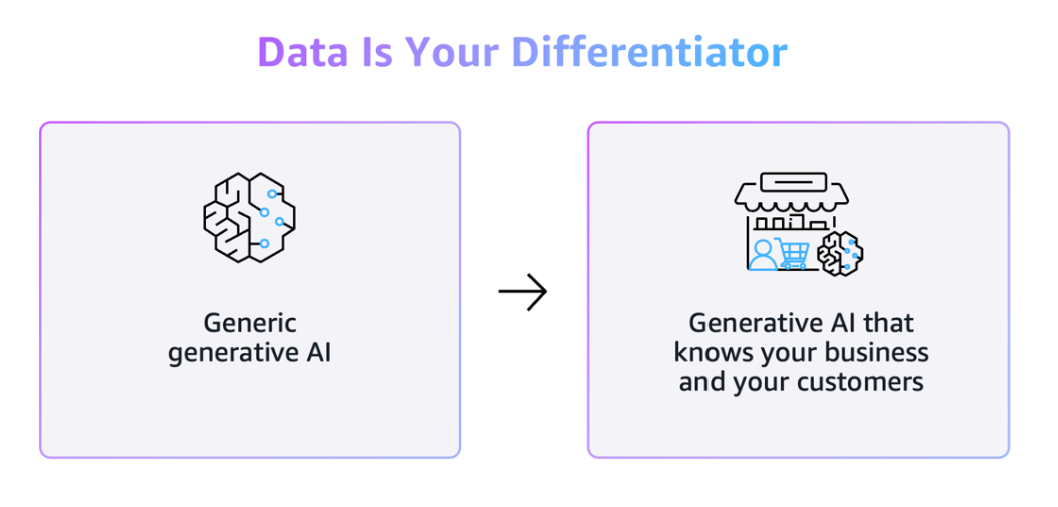
As businesses make more investments in AI, we’re going to start seeing more “custom AI” builds. “Custom AI” is the practice of taking a general foundation or large-language model (LLM) and adapting it so that it better reflects a particular organization’s needs. It all start with using that organization’s date, and then emplying tactics such as fine-tuning, continued pre-training, model-distillation, domain‐specific training, etc. to provide the most relevant and useful output. Think of a law firm using their own contracts to train their proprietary model, or a company using all of their own product specifications in the AI used for customer services.

Amazon AWS details this in a recent release: “Custom Intelligence: Building AI that matches your business DNA.” It outlines how they help customers create custom models and how these models can be fine-tuned over time.

Amazon Cuts 14,000 Jobs

Amazon building

Job losses tied to AI are accelerating.

In a move that underscores the relentless pace of technological disruption, Amazon announced on October 31, 2025, plans to eliminate approximately 14,000 roles across its corporate workforce. This latest round of reductions, detailed in an internal memo from HR SVP Beth Galetti, continues the e-commerce giant’s efforts to streamline operations amid explosive growth in artificial intelligence. While Amazon frames the changes as necessary for agility and customer focus, they highlight a stark reality: AI is not just augmenting jobs—it’s eliminating them in the short term, forcing companies to rethink workforce structures in ways that prioritize speed over scale.

Continue reading »

« Older posts